
Image to Video AI Free: Best Tools and Complete Guide 2026
Discover the best free AI image to video generators in 2026. Convert photos to videos instantly with no watermark, no sign-up required.
Emma Chen · 14 min read · Apr 1, 2026

In the rapidly evolving landscape of artificial intelligence, the ability to transform static images into dynamic videos has become increasingly accessible and innovative. As we look towards 2026, the demand for "image to video AI free" tools is surging, driven by creators, marketers, and businesses seeking to leverage AI's capabilities without incurring high costs. This article explores the best free tools available for converting images to videos using AI, offering a comprehensive guide to help you navigate this exciting technology. Whether you're a content creator looking to enhance your visual storytelling or a business aiming to boost engagement, these tools provide a cost-effective solution to elevate your digital content.
Quick Answer: AI image-to-video tools convert any still photo into a dynamic video clip using machine learning. Leading options in 2025 include Google Veo 3, Runway Gen-4, and Kling AI—each supporting text-guided motion, camera effects, and realistic animation from a single image.
Understanding Image to Video AI Technology
Image to video AI technology has revolutionized the way we perceive and create visual content. By utilizing advanced algorithms, these tools can seamlessly animate static images, adding motion, effects, and transitions to create captivating videos. The core technology involves machine learning models that analyze the image's elements, such as color, texture, and depth, to generate a coherent video sequence. This innovation not only saves time but also enhances creativity, allowing users to produce professional-quality videos without the need for extensive editing skills.
The rise of AI video generators has democratized video production, making it accessible to a broader audience. These tools are designed to be user-friendly, often requiring minimal input from the user. By simply uploading an image, the AI can generate a video that can be customized with various effects and transitions. As we move towards 2026, the capabilities of these tools are expected to expand, offering even more sophisticated features and higher quality outputs.
Top Free Image to Video AI Tools in 2026
As the demand for image to video AI tools grows, numerous platforms have emerged, offering free solutions that cater to different needs. Here are some of the top tools you should consider in 2026:
-
Veo 3 AI: Known for its intuitive interface and powerful AI capabilities, Veo 3 offers a free version that allows users to convert images to videos effortlessly. With a range of customizable templates and effects, it is ideal for both beginners and professionals.
-
Animoto: A popular choice among content creators, Animoto provides a free plan that includes basic video editing features. Its AI-driven platform offers a variety of templates and styles, making it easy to create engaging videos from photos.
-
Lumen5: Lumen5 is another excellent tool that uses AI to transform images into videos. Its free version includes access to a library of stock photos and music, allowing users to create visually appealing videos with ease.
-
Kapwing: This versatile tool offers a free image to video conversion feature, along with a suite of editing tools. Kapwing's AI capabilities enable users to add text, music, and other elements to enhance their videos.
-
Canva: While primarily known for graphic design, Canva's video editor includes an AI feature that converts images to videos. The free plan offers a variety of templates and customization options to suit different needs.
How to Choose the Right Tool for Your Needs
Selecting the right image to video AI tool depends on several factors, including your specific requirements, skill level, and the features offered by each platform. Here are some considerations to help you make an informed decision:
-
Ease of Use: Look for tools with a user-friendly interface, especially if you're new to video editing. Platforms like Veo 3 and Animoto are designed with simplicity in mind, making them ideal for beginners.
-
Customization Options: Consider the level of customization each tool offers. If you need more control over the final output, opt for tools like Kapwing or Canva, which provide extensive editing features.
-
Output Quality: The quality of the final video is crucial, especially for professional use. Check the resolution and format options each tool supports to ensure they meet your standards.
-
Additional Features: Some tools offer extra features like stock libraries, music tracks, and text overlays. Evaluate these options to see if they align with your project goals.
-
Community and Support: A strong user community and reliable customer support can be invaluable, especially if you encounter issues. Platforms like Lumen5 and Canva have active communities and comprehensive support resources.
Comparison of Free Image to Video AI Tools
To help you better understand the offerings of each tool, here is a comparison table highlighting their key features:
| Tool | Ease of Use | Customization | Output Quality | Additional Features | Support |
|---|---|---|---|---|---|
| Veo 3 AI | High | Medium | High | Templates, Effects | Strong |
| Animoto | High | Medium | Medium | Templates, Styles | Good |
| Lumen5 | Medium | High | Medium | Stock Library, Music | Excellent |
| Kapwing | Medium | High | High | Text, Music | Good |
| Canva | High | Medium | Medium | Templates, Text | Excellent |
This table provides a quick overview, allowing you to compare the strengths and weaknesses of each platform. Whether you prioritize ease of use or advanced features, there's a tool that fits your needs.
Benefits of Using Free Image to Video AI Tools
Utilizing free image to video AI tools offers numerous advantages, particularly for individuals and businesses operating on a budget. Here are some key benefits:
-
Cost-Effectiveness: By opting for free tools, you can create high-quality videos without incurring additional expenses. This is especially beneficial for startups and small businesses looking to maximize their resources.
-
Time Efficiency: AI-powered tools significantly reduce the time required to produce videos. With automated processes, you can quickly transform images into videos, allowing you to focus on other important tasks.
-
Enhanced Creativity: These tools provide a platform to experiment with different styles and effects, fostering creativity and innovation. The ability to easily modify and enhance videos encourages users to explore new ideas and concepts.
-
Increased Engagement: Videos are a powerful medium for capturing attention and conveying messages. By converting images to videos, you can create more engaging content that resonates with your audience.
-
Scalability: As your needs grow, many free tools offer paid plans with advanced features, allowing you to scale your video production capabilities as required.
With these benefits in mind, it's clear that free image to video AI tools are a valuable asset for anyone looking to enhance their visual content strategy.
Top Free Image to Video AI Tools in 2026
As the demand for dynamic content continues to rise, several free image to video AI tools have emerged, offering advanced features without the hefty price tag. Among these, Veo 3 stands out as a leading choice for creators seeking quality and efficiency. This tool leverages cutting-edge AI algorithms to seamlessly transform static images into captivating videos, complete with transitions and effects that enhance viewer engagement.
Another noteworthy tool is Animoto, which provides an intuitive interface perfect for beginners and professionals alike. It offers a variety of templates and customization options, allowing users to tailor their videos to specific themes or branding needs. Lumen5 is another popular choice, known for its ability to convert blog posts into engaging video content by extracting key points and matching them with relevant images and clips.
For those looking for more artistic flair, Pictory offers unique AI-driven features that add cinematic effects to your videos, making them stand out on social media platforms. Lastly, Kapwing is a versatile tool that supports collaborative editing, making it ideal for teams working on video projects.
Each of these tools provides a unique set of features that cater to different needs, ensuring that creators can find the perfect fit for their projects without breaking the bank.
How to Choose the Right Image to Video AI Tool
Selecting the right image to video AI tool involves considering several factors to ensure it meets your specific needs. First, evaluate the ease of use. Tools like Veo 3 are designed with user-friendly interfaces, making them accessible even for those new to video creation. Look for platforms that offer drag-and-drop features and pre-designed templates to streamline the process.
Next, consider the customization options. The ability to personalize your videos with unique transitions, text overlays, and music is crucial for maintaining brand consistency. Tools such as Animoto and Lumen5 excel in this area, offering a wide range of customization features.
Another important factor is the output quality. High-resolution videos are essential for maintaining a professional appearance, especially if the content is intended for commercial use. Ensure the tool you choose can produce videos in at least 1080p resolution.
Additionally, assess the support and resources available. A tool with comprehensive tutorials, customer support, and an active community can be invaluable, particularly when troubleshooting issues or learning new features. Finally, consider the integration capabilities. If you frequently use other software for content creation, choosing a tool that integrates seamlessly with your existing workflow can save time and effort.
Benefits of Using Free Image to Video AI Tools
Utilizing free image to video AI tools offers numerous advantages, particularly for small businesses and individual creators looking to maximize their content's impact without incurring significant costs. One of the primary benefits is cost-efficiency. These tools eliminate the need for expensive software or hiring professional video editors, allowing you to allocate resources elsewhere.
Another advantage is the speed of production. AI-driven tools like Veo 3 can significantly reduce the time required to create videos by automating processes such as image selection, transition effects, and even background music synchronization. This efficiency enables creators to produce high-quality content quickly, keeping up with the fast-paced demands of digital marketing.
Moreover, these tools often come with built-in analytics features, providing insights into video performance and audience engagement. This data is crucial for optimizing future content and ensuring that your videos resonate with your target audience.
Lastly, free image to video AI tools foster creativity and experimentation. With minimal financial risk, creators can explore different styles and formats, testing what works best for their audience. This flexibility encourages innovation and helps in discovering unique ways to convey your message effectively.
Future Trends in Image to Video AI Technology
The evolution of image to video AI technology is set to continue at a rapid pace, with several exciting trends on the horizon. One of the most anticipated advancements is the integration of augmented reality (AR) features. This technology will allow creators to overlay digital elements onto real-world environments, offering a more immersive viewing experience.
Another emerging trend is the use of deep learning algorithms to enhance video quality. These algorithms can analyze and improve video resolution, color grading, and even audio quality, resulting in more polished and professional outputs. Additionally, the incorporation of natural language processing (NLP) will enable more sophisticated voiceover and subtitle generation, making videos more accessible to diverse audiences.
The rise of personalization is also expected to influence future developments. AI tools will increasingly offer features that tailor video content to individual viewer preferences, enhancing engagement and retention rates. This could involve dynamic content adaptation, where videos automatically adjust based on viewer behavior or demographic data.
Finally, the trend towards sustainability is likely to impact the development of AI tools. As environmental concerns grow, there will be a push for more energy-efficient algorithms and cloud-based solutions that reduce the carbon footprint of video production.
FAQ Section
What is an image to video AI tool?
An image to video AI tool is software that uses artificial intelligence to convert static images into dynamic video content. These tools often include features like transitions, text overlays, and music to enhance the video.
Are free image to video AI tools effective for professional use?
Yes, many free tools offer high-quality features suitable for professional use. Tools like Veo 3 provide advanced customization options and high-resolution outputs, making them ideal for commercial projects.
How do AI tools improve video creation efficiency?
AI tools automate many aspects of video creation, such as image selection, transitions, and music synchronization, significantly reducing the time and effort required to produce videos.
Can I use AI-generated videos for social media marketing?
Absolutely. AI-generated videos are perfect for social media marketing due to their engaging nature and the ability to quickly produce content that captures audience attention.
What are the limitations of free image to video AI tools?
While free tools offer many features, they may have limitations such as watermarks, restricted export options, or fewer customization features compared to paid versions.
How do I ensure my AI-generated videos align with my brand?
Choose a tool that offers extensive customization options, allowing you to adjust colors, fonts, and other elements to match your brand's style and tone.
Conclusion and Call to Action
As we move further into 2026, the landscape of digital content creation continues to evolve, with image to video AI tools leading the charge. These tools offer an accessible and cost-effective way to produce engaging video content, making them invaluable for businesses and creators alike. Whether you're a seasoned professional or just starting, tools like Veo 3 provide the perfect platform to bring your ideas to life.
Ready to transform your images into captivating videos? Explore the capabilities of Veo 3 today and discover how easy it is to elevate your content. Don't miss out on the opportunity to engage your audience with stunning video creations. Start your journey now!
How Image to Video AI Enhances Storytelling
Storytelling is a powerful tool in content creation, and image to video AI technology can significantly enhance this process. By transforming static images into dynamic videos, creators can craft more immersive narratives. Videos can convey emotions and messages more effectively than images alone, capturing the audience's attention and keeping them engaged for longer periods. This is particularly beneficial for marketers and educators who aim to convey complex ideas in a more digestible format. By using tools like Veo 3, you can seamlessly integrate voiceovers, background music, and text overlays to enrich your storytelling, making your content more relatable and memorable.
The Role of AI in Video Personalization
Personalization is key in today's digital landscape, and AI-driven video creation tools are at the forefront of this trend. These tools allow for the customization of video content to suit individual viewer preferences, enhancing user engagement and satisfaction. By analyzing user data, AI can tailor video content in real-time, adjusting elements such as pacing, tone, and even content type to align with viewer interests. This level of personalization not only boosts viewer retention but also increases the likelihood of content sharing, expanding your reach. Platforms like Veo 3 offer features that enable creators to easily personalize their videos, ensuring that each viewer receives a unique and engaging experience.
Overcoming Common Challenges with Image to Video AI
While image to video AI tools offer numerous benefits, users may encounter certain challenges. One common issue is achieving a natural flow between images to ensure a cohesive video narrative. To overcome this, it's essential to select images that logically connect and complement each other. Additionally, some users may struggle with the technical aspects of video editing. Fortunately, platforms like Veo 3 provide intuitive interfaces and comprehensive tutorials to help users navigate these challenges. Another potential hurdle is ensuring high-quality video output, especially when working with low-resolution images. Utilizing AI tools that offer image enhancement features can significantly improve the final video quality, ensuring a professional finish.
By understanding and addressing these challenges, creators can fully leverage the power of image to video AI, producing content that captivates and resonates with their audience.
Related Articles
Continue with more blog posts in the same locale.

What is Google Veo 4?
Complete overview of Google Veo 4 AI video generator features, capabilities, and improvements over Veo 3.
Read article
How to Use Google Veo 4
Step-by-step guide to using Google Veo 4 AI video generator. Learn prompts, settings, and best practices for creating stunning AI videos.
Read article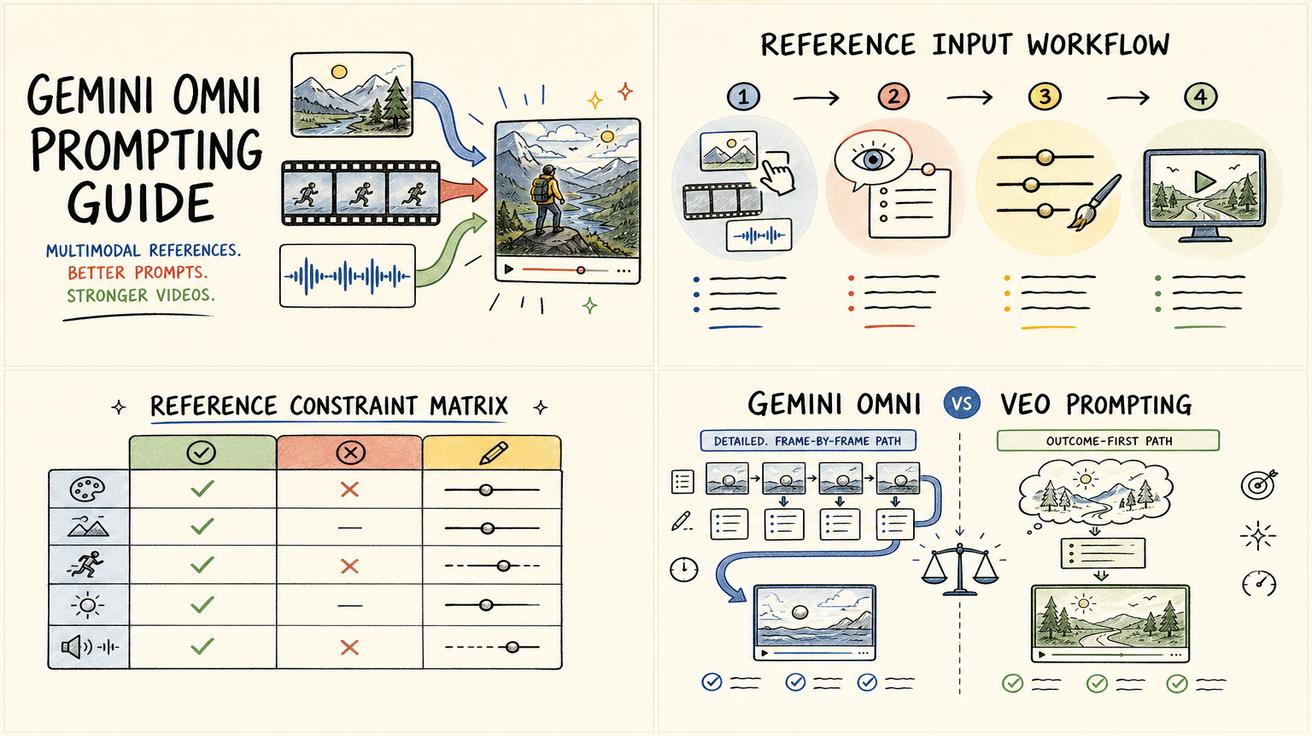
Gemini Omni vs Veo Prompting: Why Omni Prompts Can Be Less Prescriptive
Learn why Gemini Omni prompting can be less prescriptive than Veo prompting, with practical prompt examples, workflow tips, and safe wording about the Veo transition.
Read article